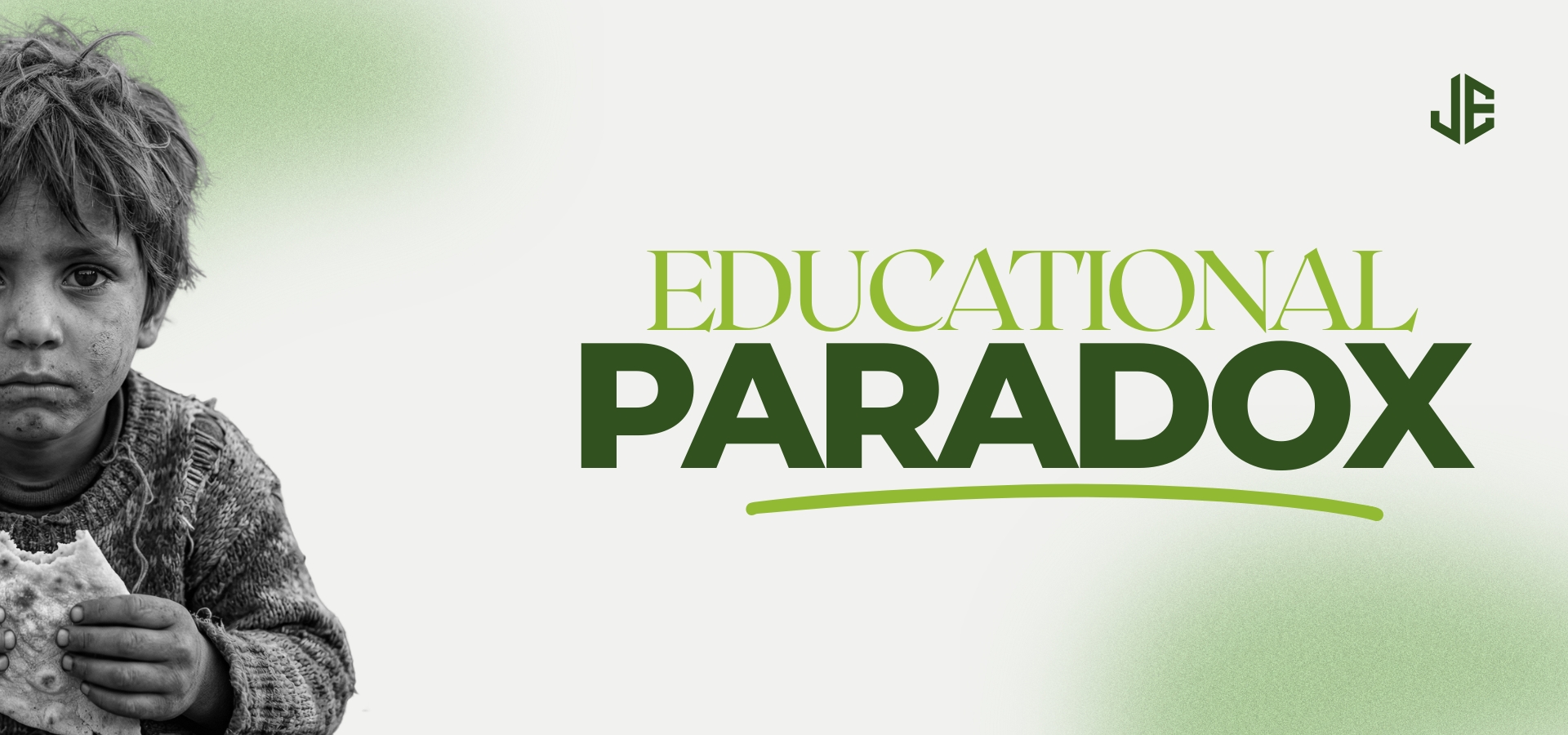
Summary of Article Educational paradox by Nazir A. Jogezai an educationalist
Published in Dawn April 4-2026
A national education summit organized by the National Curriculum Council and the Ministry of Federal Education and Professional Training aims to reshape Pakistan’s education system in response to modern global and technological changes.
Need for Educational Reform
The summit highlights the urgent need to shift from rote memorization to critical thinking, creativity, and problem-solving. It also calls for replacing the outdated Macaulay model with a more modern and practical approach.
Modernizing Curriculum and Learning
Reforms focus on integrating subjects like AI, robotics, and STEM while aligning curriculum, teaching methods, and assessments. The goal is to prepare students for future challenges through practical and innovative learning.
Challenges in the Current System
Despite reforms, Pakistan’s education system still suffers from outdated practices. Teaching methods often rely on memorisation, and there is resistance to change due to social and ideological pressures.
Impact of Rigid Attitudes
Conservative mindsets limit creativity, innovation, and critical thinking. Even scientific subjects are taught theoretically instead of through experimentation and inquiry, which weakens learning outcomes.
Importance of Evidence-Based Learning
A shift toward critical thinking requires an education system based on empirical evidence and observation. Encouraging inquiry-based learning can promote innovation and scientific understanding.
Role of Interprovincial Coordination
Collaboration among provinces is essential to ensure consistent education reforms. However, meaningful coordination requires continuous dialogue, commitment, and practical implementation—not just meetings.
Need for Practical Implementation
Policy changes alone are not enough. Effective reform requires proper infrastructure, including labs, materials, modern teaching methods, and strong governance systems to support implementation.
Empowering Teachers
Teachers must be trained and empowered to actively design learning experiences rather than rely on outdated teaching styles. Their role is critical in achieving meaningful educational transformation.
Conclusion
Pakistan’s education reform requires more than policy discussions.it demands a shift in mindset, teaching practices, and implementation. Without embracing critical thinking, innovation, and collaboration, the system will struggle to meet modern global demands.





Discussion
Leave a Comment