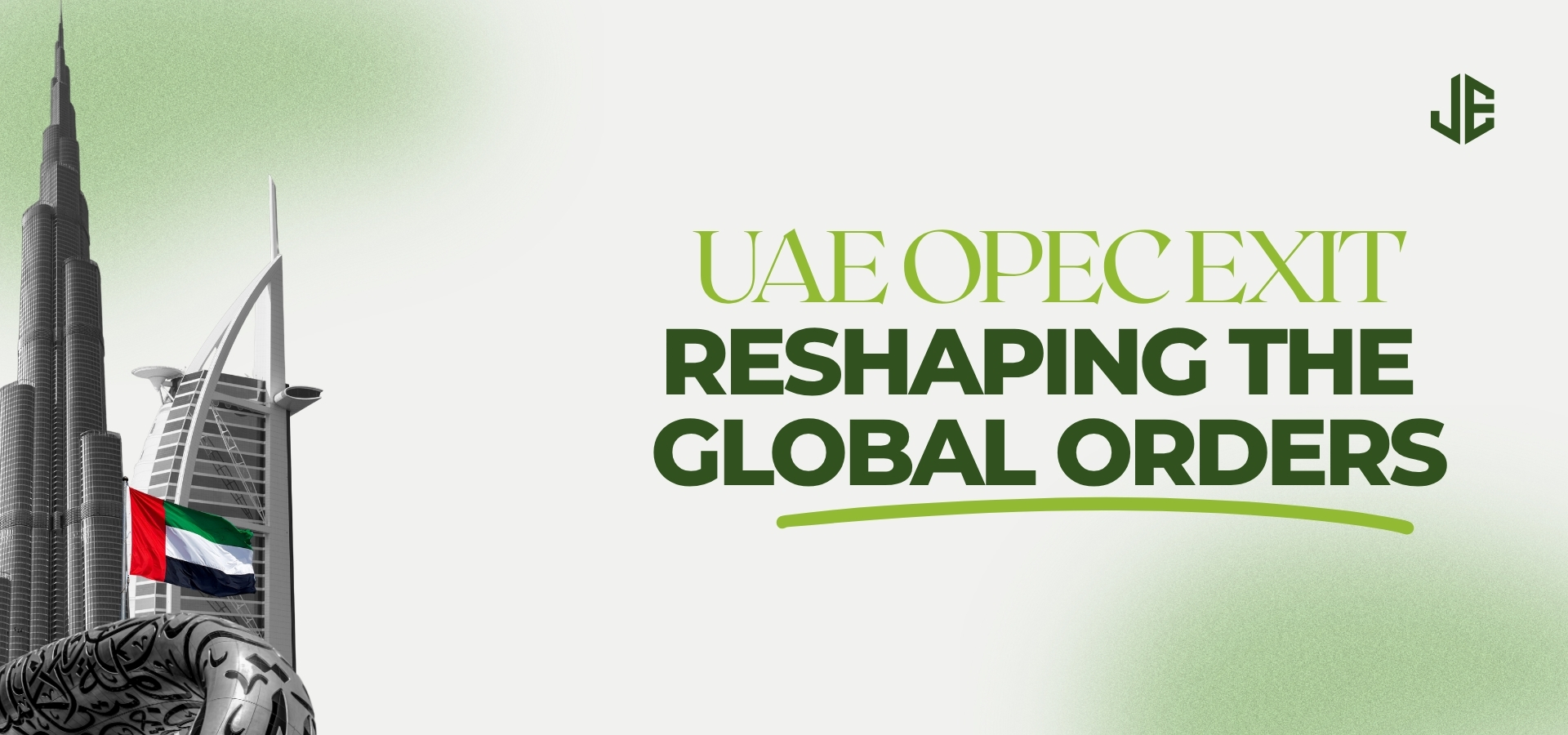
Summary of the article UAE OPEC EXIT
published in dawn on
april 30, 2026
Introduction
The decision of the OPEC to lose the United Arab Emirates as a member highlights major geopolitical and economic changes in the world. The UAE’s exit reflects not only disagreements over oil production quotas but also increasing rivalry with Saudi Arabia and a desire to act more independently in global affairs.
UAE’s Exit from OPEC
The UAE decided to leave OPEC because it was unhappy with the production limits imposed by the organization. Emirati leaders believed they had sacrificed too much for the benefit of other member states and wanted more freedom to produce and export oil according to their own interests.
Oil Politics and Economic Interests
Oil remains one of the most important economic resources in the Gulf region. The UAE wanted to maximize its oil production and profits instead of following OPEC quotas. This move shows the country’s focus on protecting its national economic interests over regional unity.
Rivalry Between UAE and Saudi Arabia
The UAE’s departure also reflects growing competition with Saudi Arabia. Although both countries are close allies, they have increasingly different political and economic goals. The UAE wants to establish itself as an equal regional power rather than remaining under Saudi influence.
OPEC and Global Politics
OPEC has long played a major role in global energy markets. Western countries have often criticized it as a “cartel” because it controls oil production and prices. The organization became especially powerful during the 1973 Arab-Israeli War when oil-producing countries used oil exports as a political weapon.
Growing Regional Differences
Differences between the UAE and Saudi Arabia extend beyond oil. The two countries have supported rival groups in conflicts such as Yemen and Sudan. They are also competing for influence in Libya. In dealing with Iran, the UAE has taken a tougher stance, while Saudi Arabia has balanced criticism with diplomatic engagement.
Impact on Pakistan and the Region
Countries like Pakistan, which maintain strong ties with both Saudi Arabia and the UAE, may face diplomatic challenges because of these tensions. Pakistan will need to carefully manage its foreign policy to maintain good relations with both Gulf states.
Conclusion
The UAE’s exit from OPEC signals changing alliances and shifting power dynamics in the Middle East. The decision highlights growing competition among Gulf countries and the weakening of traditional regional unity. As geopolitical interests evolve, countries connected to the Gulf region, including Pakistan, may need to adapt their diplomatic and economic strategies.



Discussion
Leave a Comment